Growing a business means, at some point, you stop being able to do everything yourself. Marketing is usually one of the first things to crack under that pressure. Posts go out late, emails pile up unsent, and follow-up campaigns that were “almost ready” sit untouched for weeks.
When that happens, the instinct for many business owners is to call an agency. But that’s not always the right move. Sometimes, what you actually need is a marketing assistant, someone working inside your brand, day after day, keeping things moving.
Here’s how to tell the difference.
What a Marketing Assistant Actually Does
The role of a marketing assistant is rooted in execution. Not strategy decks. Not quarterly planning sessions. Execution is the unglamorous, essential work that turns a marketing plan into actual results.
That includes scheduling and publishing content, building out email campaigns, updating your CRM, posting consistently to social channels, handling basic SEO tasks, and pulling together performance reports. Done well, this work is invisible in the best sense: it just happens, reliably, without you having to chase it.
What makes a good marketing assistant especially valuable over time is familiarity. They learn your brand voice. They understand which topics your audience responds to. They stop needing to ask the same questions twice. That context compounds, and it’s hard to replicate with external providers who are juggling dozens of clients at once.
What a marketing assistant is not is a strategist. They’re not there to decide where your business should be in three years. They’re there to make sure that wherever you’ve decided to go, the marketing actually shows up for it.
What a Marketing Agency Provides
An agency operates differently. You’re not hiring one person. You’re buying access to a team, typically with specialists across paid media, SEO, design, content strategy, and analytics. That breadth is genuinely useful when the scope of what you’re trying to accomplish requires it.
Agencies also bring perspective that’s hard to develop when you’re inside a business. They’ve seen what works across industries, they have benchmarks, and they’re often better equipped to build out a strategy from scratch or navigate a new market entry.
The tradeoff is proximity. Agencies work on retainer or project terms, with communication structured around briefs and scheduled check-ins. That’s fine for big-picture initiatives. It’s less ideal when something needs to change on a Tuesday afternoon and the approval chain takes three days.
Key Differences Worth Understanding
Before making a decision, it helps to look at the actual tradeoffs side by side.
Cost. A marketing assistant hired through a platform like Pros Marketplace typically costs significantly less than an agency retainer. Agencies bundle in multiple specialists, which is worth paying for when you need all of them. When you don’t, you’re paying for capacity you’ll never use.
Focus vs. depth. A marketing assistant becomes a specialist in your brand. An agency specialist has deep expertise in a channel. Neither is universally better, but for businesses where voice, tone, and consistency matter, the brand-focused approach often wins.
Speed. Direct communication means faster execution. With a marketing assistant, you can pivot quickly, respond to what’s happening in your market, and fix things without waiting on a project manager to relay the message.
Scale. This is where agencies genuinely have the edge. Running campaigns across five paid channels while managing SEO, email, and content simultaneously is hard to do with one person. Agencies are structured for that kind of complexity.
When to Hire a Marketing Assistant
A marketing assistant is usually the right call when your business has more direction than bandwidth.
You have a plan but it’s not being executed. You know what content you should be creating. You know emails need to go out. The ideas exist, but the follow-through isn’t happening. A marketing assistant solves that without requiring you to build a full in-house team.
Your team is stretched thin. Founders and small teams tend to handle marketing in whatever gaps exist between everything else. That leads to inconsistency, which leads to stalled growth. Bringing on a Delegating to a marketing assistant lets your core team focus where it matters most.
You need cost efficiency. If you’re not yet at the stage where you need a full agency’s capabilities, paying for one anyway is just waste. A marketing assistant gives you momentum without overcommitting your budget.
Brand consistency is a priority. The more time a marketing assistant spends inside your business, the more their work starts to sound like you, not like generic content from someone who glanced at your website. That familiarity is worth a lot.

When to Hire a Marketing Agency
There are genuine situations where an agency is the better fit, and it’s worth being honest about them.
You need strategic direction you don’t currently have. If your business is entering a new market, launching a new product line, or fundamentally repositioning, you may need expertise you don’t have in-house. Agencies bring that.
You need specialized technical skills fast. Running paid media at scale, technical SEO audits, CRO testing: these are areas where specialization matters. A generalist marketing assistant may not be the right tool for those jobs.
You’re scaling quickly across multiple channels. Fast growth sometimes demands simultaneous efforts across a lot of surfaces. Agencies are designed to manage that complexity in a way a single hire isn’t.
No one internal can oversee marketing. A marketing assistant works best when someone can provide direction and context. If that capacity simply doesn’t exist, an agency that can own strategy and execution together may make more sense.
Why Starting Lean Usually Works Better
Here’s something that doesn’t get said enough: most businesses hire an agency before they’re ready for one.
The mistake isn’t that agencies are bad. It’s that paying for strategic capacity before you’ve nailed basic execution tends to backfire. You end up with a beautifully written content strategy that never gets implemented. Or a brand refresh that sits in a Notion doc while your social channels go quiet.
Starting with a marketing assistant builds the foundation first. Content goes out. Emails land in inboxes. Data gets collected. Once that rhythm is established, layering in specialized expertise actually has something to amplify, and you get much better returns from the investment.
The Hybrid Model: Why You Don’t Have to Choose
For businesses that have outgrown one option but aren’t ready to give up the other, combining both is increasingly common and it works well when structured thoughtfully.
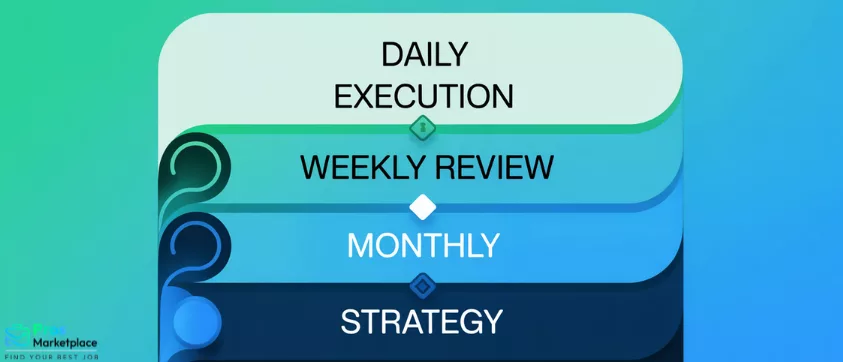
In this setup, a marketing assistant handles the day-to-day: scheduling, reporting, campaign coordination, and keeping everything consistent. The agency focuses on bigger-picture strategy, specialist campaigns, or specific channels that need dedicated expertise.
What makes this structure effective is the bridge that the marketing assistant creates. They’re inside the business, so they can translate strategy into execution faster and catch misalignments before they become problems. Agency output doesn’t languish in implementation limbo. It actually gets done.

How to Make the Call
The honest answer is that this decision should be driven by where your business is right now, not where you want to be.
Early-stage businesses almost always benefit more from a marketing assistant. The priority is establishing consistent execution and building marketing habits that compound over time.
Growing businesses often find that a hybrid approach makes sense, with internal support for execution and external expertise for the areas that require it.
More mature businesses with complex, multi-channel marketing programs may lean more heavily on agency resources. But even then, someone managing day-to-day output internally tends to improve what the agency produces.
The Bottom Line
The goal isn’t to hire the most impressive-sounding option. It’s to hire what your business actually needs right now.
For most businesses in growth mode, that means starting with strong execution: a marketing assistant who shows up every day, knows your brand, and makes sure your marketing doesn’t fall through the cracks.
If that’s where you are, Pros Marketplace connects businesses with pre-vetted remote marketing assistants who integrate directly into your workflow. No long agency ramp-up. No paying for specialists you don’t need yet.
Good marketing isn’t about doing the most. It’s about doing the right things, consistently. A solid marketing assistant makes that possible.