Hiring a remote web designer has become one of the most important decisions for companies building or scaling a digital presence in 2026. A website is no longer just a brand asset. It is often the primary revenue channel, the first touchpoint for customers, and a core conversion engine for marketing and sales teams.
As more companies shift to remote-first operations, the global talent pool for web designers has expanded significantly. This creates opportunity, but also complexity. Knowing what to look for, how to evaluate talent, and what to pay has become essential for making the right hiring decision.
This guide breaks down everything needed to confidently hire a remote web designer in 2026, including skills, pricing, evaluation methods, and common mistakes to avoid.
How Much Does a Remote Web Designer Cost in 2026? (Quick Answer)
Before diving into hiring criteria, it is important to understand the market rate.
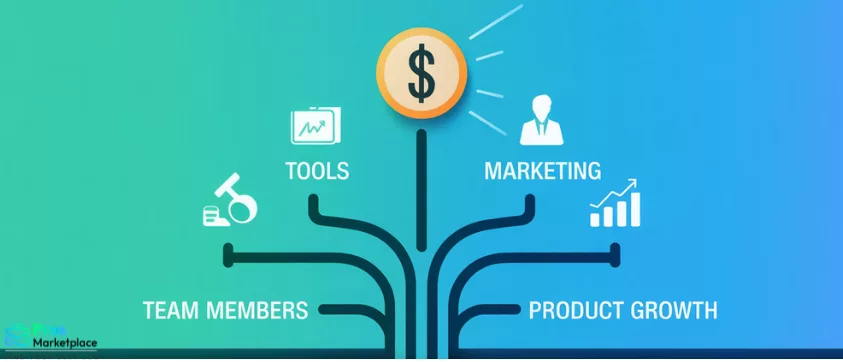
In 2026, remote web designers typically fall into the following ranges:
- Entry-level designers: $800 – $1,800 per month
- Mid-level designers: $1,800 – $3,500 per month
- Senior or product designers: $3,500 – $6,000+ per month
Freelancers may charge hourly rates ranging from $15 to $80 depending on experience, specialization, and region.
However, pricing alone does not determine quality. A higher-cost designer may deliver significantly better conversion performance, faster turnaround times, and stronger UX outcomes.
What a Web Designer Actually Does in 2026
The role of a web designer has evolved far beyond creating visually appealing pages. In 2026, strong designers operate at the intersection of design, UX strategy, and conversion optimization.
Modern responsibilities include:
- Designing high-conversion landing pages
- Building full website layouts and user flows
- Creating UX/UI systems in tools like Figma
- Collaborating with developers using Webflow, Framer, or React frameworks
- Optimizing for mobile responsiveness and accessibility
- Supporting conversion rate optimization (CRO) efforts
It is also important to distinguish between roles:
- Web designer: Focuses on website layout and visual structure
- UI/UX designer: Focuses on user experience, flows, and interaction
- Product designer: Works across full product ecosystems, including SaaS platforms
Clear role definition ensures better hiring outcomes and avoids misalignment later in the process.
Key Skills to Look For in a Remote Web Designer
Hiring success depends on identifying the right combination of technical ability, design thinking, and communication skills.
Technical Skills
Modern web designers must be fluent in industry-standard tools.
Core requirements:
- Advanced Figma proficiency (non-negotiable in 2026)
- Responsive design for mobile, tablet, and desktop
- Familiarity with HTML and CSS fundamentals
- Experience with Webflow or Framer for implementation-ready design
Designers who understand development constraints tend to create more realistic and production-ready designs.
UX and Conversion Thinking
A visually strong design is not enough. Effective designers understand how users interact with websites and how design impacts conversion rates.
Strong candidates demonstrate:
- Ability to design for conversions, not just aesthetics
- Understanding of user behavior and decision-making flows
- Experience improving landing page performance
- Ability to simplify complex information structures
This skill set often separates average designers from high-impact contributors.
Design Systems and Scalability
In 2026, companies increasingly rely on scalable design systems rather than one-off page designs.
Look for:
- Component-based design experience
- Ability to build reusable UI libraries
- Consistency across multiple pages and products
- Structured approach to typography, spacing, and layout systems
Design systems reduce long-term development costs and improve brand consistency.
Communication and Remote Collaboration
Remote hiring introduces additional requirements beyond design skills.
Strong remote designers demonstrate:
- Clear async communication
- Ability to interpret feedback accurately
- Experience working across time zones
- Comfort using tools like Slack, Notion, and project management systems
- Structured thinking when presenting design decisions
Poor communication often leads to delays and misaligned expectations, even with talented designers.
What to Look for in a Portfolio
A portfolio is one of the most important evaluation tools, but it must be reviewed strategically.
High-quality portfolios include:
- Live websites or clickable prototypes
- Case studies explaining the problem and solution
- Evidence of business impact (conversion improvements, engagement gains)
- Step-by-step design process, not just final visuals
Red flags include:
- Only static Dribbble-style visuals
- No explanation of decision-making
- Lack of real-world projects
- Heavy reliance on templates without customization
A strong portfolio demonstrates thinking, not just design output.
How to Evaluate a Remote Web Designer
Hiring should never rely on portfolios alone. A structured evaluation process ensures better outcomes.
Portfolio Deep Dive
Ask candidates to walk through specific projects:
- What problem was being solved
- Why certain design decisions were made
- What impact the design had after launch
This reveals depth of thinking and ownership.
Practical Design Test
A short, time-boxed exercise is highly effective.
Examples include:
- Redesign a landing page for conversion
- Improve a checkout or signup flow
- Create a homepage structure for a SaaS product
The goal is not perfection, but decision-making clarity.
Behavioral and Communication Questions
Important questions include:
- How feedback is handled in remote environments
- How multiple stakeholders are managed
- How priorities are handled under deadlines
- How design decisions are explained to non-designers
Strong communicators tend to outperform in distributed teams.
Red Flags to Avoid When Hiring
Certain patterns consistently predict poor performance.
Common red flags:
- Focused only on visual aesthetics
- Unable to explain design decisions
- No structured workflow or process
- Slow or unclear communication
- Over-reliance on templates
- Lack of understanding of business goals
These issues often result in rework, delays, and missed opportunities.
Where to Find Remote Web Designers in 2026
Talent is now globally distributed, but sourcing quality candidates still requires strategy.
Common sources include:
- Remote talent marketplaces specializing in LATAM hiring
- Design communities and Slack groups
- Referrals from founders and agencies
- Freelance platforms with vetted talent pools

How Much to Pay a Remote Web Designer in 2026
Salary expectations vary significantly based on experience and specialization.
Entry-Level Designers
- $800 – $1,800/month
- Suitable for basic landing pages and simple UI tasks
- Requires strong direction and oversight
Mid-Level Designers
- $1,800 – $3,500/month
- Can independently design full websites and UX flows
- Strong Figma and UX understanding
Senior Designers
- $3,500 – $6,000+/month
- Owns design strategy and system architecture
- Often contributes to product and conversion strategy
Key Pricing Factors
- Geographic location (LATAM, Eastern Europe, US)
- SaaS vs agency experience
- UX depth vs visual-only design focus
- Webflow, Framer, or development skills
- English communication ability
- Proven performance impact
Hiring Models and Their Impact on Cost
The hiring structure significantly affects both cost and flexibility.
Direct Hire
- Lower cost
- Full control over workflow
- Requires internal management
Freelancers
- Flexible and project-based
- Ideal for short-term needs
- Variable quality depending on sourcing
Agencies
- Higher cost
- Faster turnaround
- Less control over individual talent
Internal resource:
Remote Hiring Models Explained
Common Mistakes When Hiring Web Designers
Even experienced teams make avoidable hiring mistakes.
- Hiring based purely on visuals
- Not defining scope clearly
- Ignoring communication skills
- Underestimating iteration cycles
- Choosing lowest cost over best fit
Avoiding these mistakes significantly improves hiring outcomes.
What a Great Web Designer Actually Delivers
A strong remote web designer contributes far beyond visuals.
Expected outcomes include:
- Higher website conversion rates
- Improved user experience
- Faster design iteration cycles
- Scalable design systems
- Stronger alignment between marketing and product teams
Design becomes a growth function, not just a creative one.
Final Checklist Before Hiring
Before making a hiring decision, confirm the following:
- Clear job scope and expectations
- Portfolio includes real-world case studies
- Practical design test completed
- Communication skills evaluated
- Budget aligned with experience level
- Hiring model selected
Conclusion: Hiring the Right Web Designer Drives Growth
Hiring a remote web designer in 2026 is not simply a cost decision. It is a strategic growth investment.
Companies that prioritize UX, conversion thinking, and strong communication consistently outperform those that hire based on aesthetics alone. With access to global talent, especially in regions like Latin America, it is now possible to build high-performing design teams at a fraction of traditional cost.
The key is not finding the cheapest designer, but finding the one who understands both design and business impact.
Frequently Asked Questions: Hiring a Remote Web Designer
How is hiring a remote web designer different from hiring a local one? The core evaluation criteria are the same: portfolio quality, design thinking, communication, and technical skills. The main difference is that remote hiring puts more weight on async communication and self-direction. A designer who struggles to articulate decisions in writing or consistently needs hand-holding will slow your team down more in a remote setup than they would in an office.
Do I need to hire a web designer, a UI/UX designer, or a product designer? It depends on the scope of work. If you need landing pages, site layouts, and visual structure, a web designer covers that. If your focus is on user flows, onboarding, and interaction design, a UI/UX designer is a better fit. Product designers are best suited for companies building SaaS platforms or digital products where design touches the full user experience. Getting this distinction right before posting a job saves a lot of time on both sides.
What should I ask to see in a portfolio review? Look beyond the visuals. Ask the candidate to walk you through one or two projects and explain the problem they were solving, the decisions they made, and what happened after launch. A portfolio full of beautiful static screens with no context tells you very little. Case studies with real outcomes tell you a lot.
Is a design test necessary or is the portfolio enough? A short design test is worth the time, especially for mid-level and senior hires. Portfolios show past work under ideal conditions. A practical exercise shows how a candidate thinks in real time, how they handle ambiguity, and how they present their reasoning. Keep it time-boxed and relevant to your actual use case rather than asking for spec work.
How much oversight does a remote web designer typically need? That varies by experience level. Entry-level designers need regular check-ins and clear direction on each deliverable. Mid-level designers should be able to run independently on well-scoped projects with periodic feedback. Senior designers typically own the design process end to end and will flag blockers proactively. If you have limited bandwidth to manage closely, hire at least a mid-level candidate.
What is the biggest mistake companies make when hiring a remote web designer? Hiring based on aesthetics alone. A portfolio that looks impressive does not guarantee the designer understands conversion, user behavior, or your business goals. The designers who generate real results combine strong visual craft with structured thinking about how design affects performance. Evaluating for both is what separates a good hire from an expensive one.
Can a remote web designer work in my time zone? Many can, particularly designers based in Latin America who work standard U.S. business hours. If real-time collaboration and same-day feedback cycles matter to your team, confirm overlap availability during the interview process rather than assuming it based on location.
When does it make sense to hire a freelancer versus a full-time remote designer? Freelancers work well for defined, project-based needs like a site redesign or a specific campaign. A full-time remote designer makes more sense if design is ongoing, if you are building or maintaining a design system, or if the role requires close collaboration with marketing and development teams over time. The hiring model you choose affects both cost and the depth of context the designer can build about your business.