There comes a point in every growing business where the chaos starts to cost more than the fix. Deadlines get missed. Teams overlap on the same work or drop things entirely. The owner ends up spending most of the week in coordination mode instead of doing anything that actually moves the needle.
That is usually the moment a project manager goes from “nice to have” to genuinely urgent.
What surprises most business owners is how accessible this hire has become, especially when you look beyond the domestic market. A skilled remote project manager from Latin America can step into this role at a fraction of the cost of a local hire, in your time zone, and with the English fluency and US work familiarity to hit the ground running.
Here is what to look for, what to expect to pay, and how to run a hiring process that lands the right person.
What a Remote Project Manager Is Actually Responsible For
The scope varies by company, but the core work is consistent. A remote project manager owns the coordination layer between teams. They build timelines, assign tasks, track progress, surface blockers early, and make sure stakeholders know what is happening without needing to attend every working session.
At the process level, they build the systems that make recurring work predictable. At the communication level, they serve as the connector that keeps everyone aligned. Done well, this role removes a significant amount of cognitive load from founders and department leads who are currently filling that gap themselves.
The remote version of this role differs from an in-office PM mostly in medium. Remote project managers rely on written communication, documented processes, and digital tools rather than in-person check-ins. That shift actually benefits most teams because the documentation that remote work demands creates clarity that in-person environments tend to skip.
What Skills Actually Matter
Written communication is the most important skill on the list. In a remote context, how clearly a PM writes determines how well they can keep teams aligned, flag issues early, and manage expectations without scheduling a meeting for everything. Pay attention to how candidates communicate during the hiring process itself. Disorganized emails at the interview stage are a reliable preview of how they will manage your projects.
Tool proficiency matters, but adaptability matters more. Strong candidates will have worked in Asana, Monday.com, ClickUp, Jira, or similar platforms. More important than which specific tool they know is whether they can build processes inside a new system and get others to follow them. Ask candidates to walk through a project setup they built from scratch, not just a system they inherited.
Proactive communication over reactive updates. The best remote project managers do not wait to be asked where things stand. They set a reporting cadence, flag risks before they become problems, and bring decisions to leadership with enough lead time to act on them. Ask for a specific example of how they handled a project that started drifting off schedule. The quality of the answer tells you how they actually think.
Cross-functional coordination experience. Remote PMs often work across design, marketing, operations, and product simultaneously. Candidates who have only managed work within a single team may underestimate how much judgment the role requires when priorities across functions conflict.
On certifications: PMP, CAPM, Agile, and Scrum credentials signal methodology familiarity. They are worth noting but should not carry more weight than demonstrated experience and communication quality.
Red Flags Worth Watching For
Vague answers about missed deadlines or scope changes are a consistent warning sign. Strong project managers have specific stories. They remember the situation, what went wrong, and what they did about it. Generic answers suggest surface-level experience.
Poor writing during the interview is disqualifying for a remote role. If emails are hard to follow or responses arrive slowly without any explanation, that pattern tends to show up in how they manage your team.
Candidates with no real experience working in remote collaboration tools will face a steeper adjustment than most hiring managers anticipate. It is not an automatic pass, but it warrants more scrutiny during the evaluation.

What to Pay in 2026
The rate range varies significantly depending on where you hire.
US-based remote project manager (fully loaded monthly cost including salary, taxes, and benefits):
- Entry-level: $4,500 to $6,000 per month
- Mid-level: $7,500 to $10,000 per month
- Senior-level: $10,000 to $13,000 or more per month
Latin American remote project manager (contractor rate, no additional employer costs):
- Entry-level: $1,500 to $2,200 per month
- Mid-level: $2,200 to $3,200 per month
- Senior-level: $3,200 to $4,500 per month
These are the rates companies are paying through active placements on Pros Marketplace right now in 2026. Because you are engaging a remote contractor rather than a domestic employee, you pay the agreed monthly rate and nothing else. No employer taxes, no benefits overhead, no equipment budget on top.
The annual savings on a mid-level project manager hire from Latin America compared to a local equivalent typically runs between $44,000 and $74,000. For most small and mid-sized businesses, that is not a marginal difference. It is enough budget to fund an additional hire in a function that would otherwise stay understaffed.
For a full breakdown of how these numbers compare across roles, the LATAM worker cost guide for 2026 covers the complete picture including virtual assistants, bookkeepers, web designers, and video editors side by side.
Why Latin America specifically?
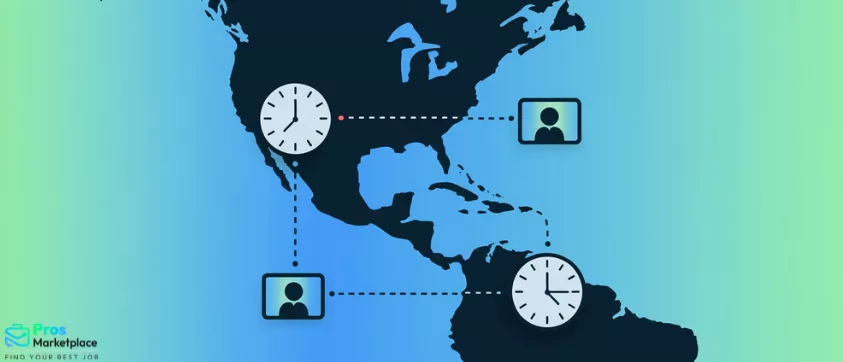
Time zone alignment is the practical answer. A project manager based in Colombia, Mexico, or Argentina works the same hours your team works. They join standups, respond the same day, and coordinate in real time. That eliminates the friction that makes offshore hiring in Asia or Eastern Europe harder to manage day to day.
English proficiency at the professional level is consistent across the markets where Pros Marketplace places talent. It is something that gets evaluated during vetting, not assumed after hire.
If you are newer to this model, what to look for in a LATAM remote worker is worth reading before you start the search.

How to Run the Hiring Process
Write a specific job description. List the tools your team uses, the size of the teams this person will coordinate, the functions they will work across, and what success looks like at 30, 60, and 90 days. Vague job descriptions attract misaligned candidates and set the relationship up for friction from the start.
Screen for communication before anything else. Before evaluating methodology or tools, assess how clearly the candidate writes. Send a practical question by email as part of the initial screen and evaluate the response before scheduling a call.
Use a scenario question in the interview. Ask something specific: “Walk me through how you would handle a project that is two weeks behind with a deadline that cannot move.” Structure, specificity, and whether they account for stakeholder communication will tell you more than a resume review.
Run a paid trial before committing. A two to four week paid trial on a real project removes the gap between how someone interviews and how they actually work. Evaluate responsiveness, documentation quality, how proactively they communicate, and how well they fit with your team’s working style. This step alone prevents most bad hires.
Onboard with structure. A remote project manager cannot absorb company context through osmosis the way an in-office hire might. Provide a written onboarding document covering your tools, processes, key contacts, and communication expectations. Set clear 30, 60, and 90-day goals and schedule a weekly check-in from day one.
For a step-by-step approach to this, how to onboard a remote virtual assistant in 5 days covers the onboarding framework in detail. The same principles apply directly to a remote project manager hire.
Once you have the hire in place, how to structure work for a virtual assistant daily, weekly, and monthly offers a practical system for building the kind of recurring task structure that keeps remote team members accountable and productive long-term.
The Bottom Line
A remote project manager is one of the higher-leverage hires a growing business can make. The cost of disorganized projects, missed deadlines, and leadership time spent on coordination is real, even when it does not show up as a line item on a budget.
Hiring from Latin America makes this role accessible at a price point that changes what is possible. The savings are consistent, the talent pool is strong, and the time zone alignment removes the friction that makes remote hiring harder than it needs to be.
Browse pre-vetted remote project managers on Pros Marketplace or post your role today to get started.
Frequently Asked Questions
How much does a remote project manager cost in 2026? It depends on where you hire. A US-based remote project manager runs $7,500 to $10,000 per month fully loaded at the mid-level, once you factor in salary, payroll taxes, and benefits. A mid-level project manager hired through Pros Marketplace from Latin America typically runs $2,200 to $3,200 per month with no additional employer costs on top. The annual difference on a single hire can exceed $70,000.
What is the difference between a remote project manager and a virtual assistant? A virtual assistant handles task-based execution, things like inbox management, scheduling, research, and admin support. A project manager owns the coordination layer across teams. They build timelines, manage dependencies, track deliverables, and keep stakeholders informed. Some overlap exists at the edges, but the scope of ownership is meaningfully different. If you are unsure which role fits your business right now, 5 Signs You’re Ready to Hire a Virtual Assistant can help clarify where to start.
Do remote project managers from Latin America work US business hours? Yes. Most Latin American professionals work in the same time zones as US-based teams. Colombia operates on Eastern Time, Mexico City on Central Time, and Argentina runs one to two hours ahead of the East Coast depending on the season. Your remote PM is online when your team is, joins calls in real time, and responds to messages the same day. This is a fundamental difference from offshore markets in Asia or Eastern Europe where the time gap creates real coordination friction.
What tools should a remote project manager already know? The most common platforms are Asana, Monday.com, ClickUp, Jira, Trello, and Basecamp. For communication, expect familiarity with Slack or Microsoft Teams and video tools like Zoom or Loom. Time tracking tools like Toggl or Harvest are also useful for remote accountability. That said, tool fluency matters less than the ability to build processes inside whatever system your team already uses. Ask candidates to walk you through a project setup they built from scratch rather than one they inherited.
How long does it take to hire a remote project manager through Pros Marketplace? Most companies make their first hire within two to four weeks of starting the search. Because candidates on Pros Marketplace are pre-vetted for English proficiency, skill level, and compatibility with US work culture before they appear in results, you are not starting from a cold pool of unscreened applicants. The time savings compared to a traditional domestic hiring process are significant.
Is a PMP certification required to hire a strong remote project manager? No. A PMP or CAPM certification signals methodology familiarity and can be a useful filter at the senior level, but it should not carry more weight than demonstrated experience and communication quality. Some of the strongest remote project managers have built their skills through years of hands-on work rather than formal certification programs. Focus the evaluation on how they handled real situations, not which credentials they hold.
What is the best way to evaluate a remote project manager before committing to a full hire? Run a paid trial project lasting two to four weeks. Assign real work with a defined scope and deadline, then evaluate how they communicate, how they document their process, and how proactively they surface issues. The trial removes the gap between how someone presents in an interview and how they actually perform on the job. It is the most reliable signal available and prevents the majority of bad hires before they happen.