More U.S. businesses are hiring remote LATAM workers than ever before, and for good reason. Latin America offers a growing pool of skilled professionals who work in U.S. time zones, communicate in English, and deliver high-quality work at a fraction of the cost of domestic hires.
But here is the part most hiring guides skip: not every remote worker is the right fit, and a bad hire costs you more than not hiring at all. You lose time onboarding someone who does not work out. You lose momentum on the projects you needed help with. And you end up right back where you started, except now you are behind schedule.
This guide cuts through the noise. If you are already sold on hiring from Latin America and want to know exactly what to look for and where to find the right person, you are in the right place.
Why LATAM Remote Workers Are Worth Your Attention
The time zone advantage is real. Most of Latin America operates within one to three hours of U.S. Eastern time. Your remote LATAM worker is online when you are, available for calls without anyone waking up at 5 a.m., and able to collaborate in real time instead of leaving messages and waiting until the next day.
English proficiency across the region has grown significantly. Countries like Colombia, Argentina, Mexico, and Costa Rica are producing large numbers of bilingual professionals every year. Remote work culture has expanded quickly too, with the share of Latin American remote workers rising from roughly 3 percent in 2019 to around 30 percent in 2023. The talent pool has experience, not just availability.
Cost efficiency is another major factor. You can hire a skilled remote LATAM professional for significantly less than a U.S.-based equivalent without sacrificing quality or professionalism.
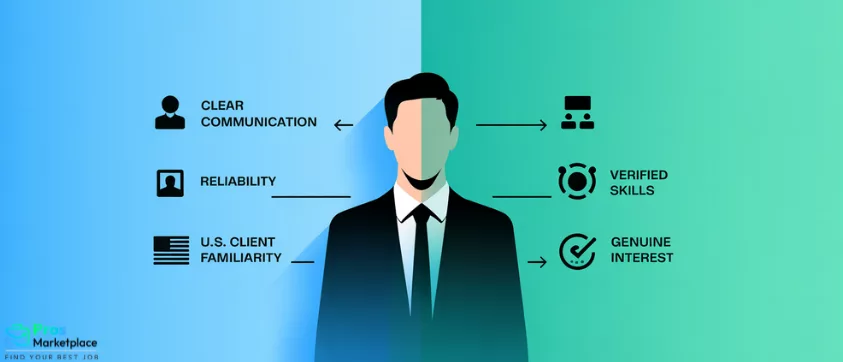
The 5 Things to Actually Look for in a LATAM Remote Worker
This is where most hiring decisions go right or wrong. These five qualities separate the remote workers who will make your business better from the ones who will create more problems than they solve.

1. Communication Skills Beyond English Level
Fluency matters, but clarity matters more. A worker who speaks near-perfect English but never proactively updates you on progress, never flags a problem early, and waits to be told what to do next will frustrate you regardless of how polished their grammar is.
What you actually want is someone who asks clarifying questions before starting a task, confirms their understanding before going too far down the wrong path, and follows up without being asked. In a remote setup, communication gaps do not stay small. They compound. Look for patterns of proactive communication during the hiring process itself. If someone is clear, prompt, and thoughtful in how they respond to your initial outreach, that is a strong signal.
2. Self-Management and Reliability
Nobody will be looking over their shoulder. That is the whole point of remote work, but it also means you need someone who can manage their own time, set their own pace, and deliver consistently without constant supervision.
Ask candidates about their home office setup. Ask how they structure their day. Ask what they do when they have two urgent tasks and no clear priority. Listen for signs of structure and personal accountability. The best remote LATAM workers will describe routines, not chaos. They will have a workspace, a schedule, and a system for staying organized. If someone’s answer is vague or sounds improvised, pay attention to that.
3. Experience Working with U.S.-Based Clients or Companies
This single factor reduces onboarding friction more than almost anything else. Someone who has worked with U.S. businesses before already understands how American professionals communicate, what “urgent” actually means in a U.S. context, and how to navigate the expectations that come with a professional remote relationship.
You will not need to explain why deadlines are real, why over-communication is valued, or why showing up on time to a video call matters. That foundation is already there. When reviewing candidates, look for clear examples of U.S. client relationships, not just general remote work experience.
4. Verified Skills, Not Just a Resume
A resume tells you what someone claims to have done. A test or a work sample tells you what they can actually do. These are very different things.
Platforms that include skills verification or pre-screening assessments give you a meaningful advantage here. When a candidate has already been evaluated for the skills you need, you spend less time guessing and more time choosing between genuinely qualified people. If the platform you are using does not vet candidates before presenting them to you, build a short trial task into your own process. Pay for it. It is worth it. The time you spend evaluating before hiring is far less than the time you spend managing a bad hire.
5. Genuine Interest in Your Business
This one is harder to measure but easy to feel. The right remote LATAM worker will ask thoughtful questions about what your business does, what success looks like in the role, and how their work connects to your goals. They are not just applying to a job posting. They are evaluating whether this is a good fit for them too.
Long-term remote relationships work when both sides are invested. A candidate who treats your role as one of twenty applications they sent this week will feel very different to work with than someone who clearly read what you shared, thought about it, and came back with real questions.
Red Flags to Watch For
Experienced hirers know these warning signs. Keep an eye out for them during screening.
Vague answers about availability or working hours are a concern. If a candidate cannot clearly describe when they are available, that ambiguity will show up in the work later.
No examples of past remote work with real clients is another sign to proceed carefully. General experience is not the same as demonstrated remote performance.
Reluctance to complete a skills test or trial task is worth noting. Candidates who push back on reasonable verification steps often do so for a reason.
Communication during the hiring process that feels templated or generic suggests the candidate is not paying close attention to your specific role.
None of these individually disqualifies someone. But patterns matter. If multiple flags appear with the same candidate, trust that instinct.
Where to Find LATAM Remote Workers
This is the question that shapes everything else. The platform or approach you use determines the quality of candidates you have access to, how much time you spend screening, and how quickly you can get someone started.
General freelance platforms give you a wide pool but very little vetting. You will spend considerable time filtering out candidates who do not meet your basic criteria before you even get to the good ones.
Traditional job boards work for senior roles but tend to be slower and more expensive, and they are not designed specifically for LATAM hiring.
LATAM-specific hiring platforms are built for exactly this use case. They focus on Latin American talent, include vetting and skills verification as part of the process, and generally reduce the time from job posting to hire significantly.
When evaluating any platform, look at three things. First, what does their vetting process actually look like? Second, how large and how active is their talent pool? Third, what support do they offer after the hire is made?
Pros Marketplace connects U.S. employers with pre-vetted remote workers across Latin America, covering roles from virtual assistants and video editors to bookkeepers and project managers. Candidates are screened before you ever see their profile, which means the time you spend reviewing applicants is time spent choosing, not filtering.
If you are still working out whether you need a virtual assistant or a freelancer for your specific situation, this post on the difference between the two can help you decide before you start your search.
What the Hiring Process Should Look Like
Once you have found the right platform, the process itself matters. Here is a simple framework that works.
Define the role clearly before you post anything. List the tasks, the hours, the tools you use, and how you prefer to communicate. Vague job descriptions attract vague applicants.
Screen for communication first. Before you evaluate skills, pay attention to how someone responds to your messages. Speed, clarity, and professionalism in early exchanges tell you a lot about how they will operate once hired.
Run a short paid trial task before committing. Keep it small and relevant. What you learn from watching someone complete a real task is worth more than any interview answer.
Set clear written expectations on day one. Cover hours, deliverables, communication norms, and how you will give feedback. Assume nothing is obvious.
Check in weekly for the first month. Not to micromanage, but to catch small misalignments before they grow. Most remote work relationships that fail do so in the first few weeks, and most of those failures are preventable.

The Bottom Line
The right remote LATAM worker is not just a way to reduce costs. They are leverage. They give you back hours you currently spend on work that does not require your specific expertise. They help your business move faster without burning you out in the process.
What makes the difference is knowing what to look for before you start searching. Prioritize communication, reliability, and verified skills. Use a platform that has already done part of the screening work for you. And invest a little time in the early stages of the relationship to set it up for long-term success.
Ready to find your next hire? Browse pre-vetted remote LATAM workers across a range of roles at Pros Marketplace and connect with candidates who are ready to work with U.S. businesses.